Forecast
Can he reach $10 trillion?
Musk has openly said he wants to accumulate enough wealth to fund a Mars colony — and has put that number at roughly $10 trillion. That's 10× his current fortune. Here's whether the math actually works.
The target
$10T
Current
$811,000,000,000
To go
$9,189,000,000,000
Three paths
Aggressive
~15%
2032 – 2035
SpaceX clears $3T market cap post-IPO on Starship economic transformation. Tesla hits $5T on Optimus + robotaxi mass deployment. xAI clears $1T as a frontier-AI lab on par with OpenAI/Anthropic. Musk's combined stake at the high end touches $10T sometime mid-decade.
Base
~40%
2038 – 2042
SpaceX reaches $4T over the decade. Tesla compounds at 12-15% CAGR with steady Cybercab and Optimus traction. The 2025 $1T pay package fully vests. xAI is a top-3 AI lab worth $500B-1T. He clears $10T late in the 2030s.
Bear
~45%
Likely doesn't happen
SpaceX IPOs but Starship economics underwhelm. Tesla normalises to a high-end auto-with-software multiple. The 2025 pay package is invalidated or partially clawed back. Musk plateaus around $2-3T — still the wealthiest person ever, but not $10T.
What $10 trillion would actually buy
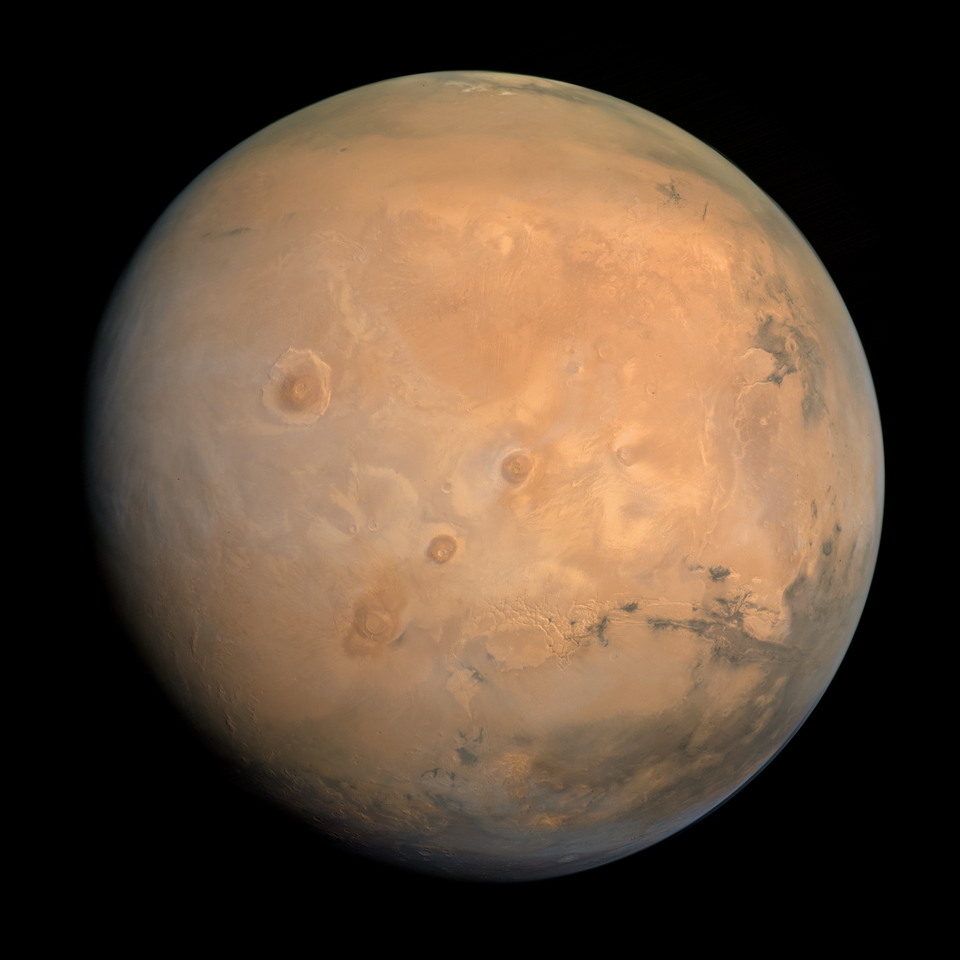
A self-sustaining 1M-person Mars colony
~$2TPer Musk's stated cost estimate. Roughly 1,000 Starship flights, habitation, life support, ISRU.
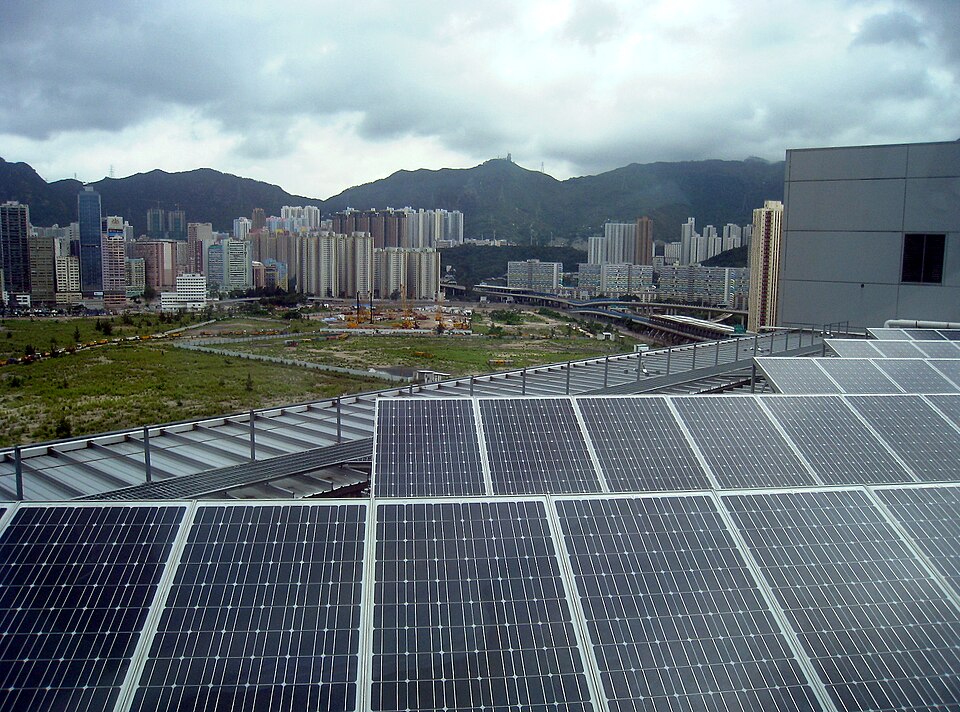
Global renewable-energy transition
~$3TIEA's accelerated-path estimate to fully decarbonise the global power grid.

Apollo program × 10
~$2.85TApollo cost ~$285B in today's dollars. Ten back-to-back lunar programs.

NASA's annual budget for 400 years
$10T$25B/year × 400 years. From now until the year 2426.
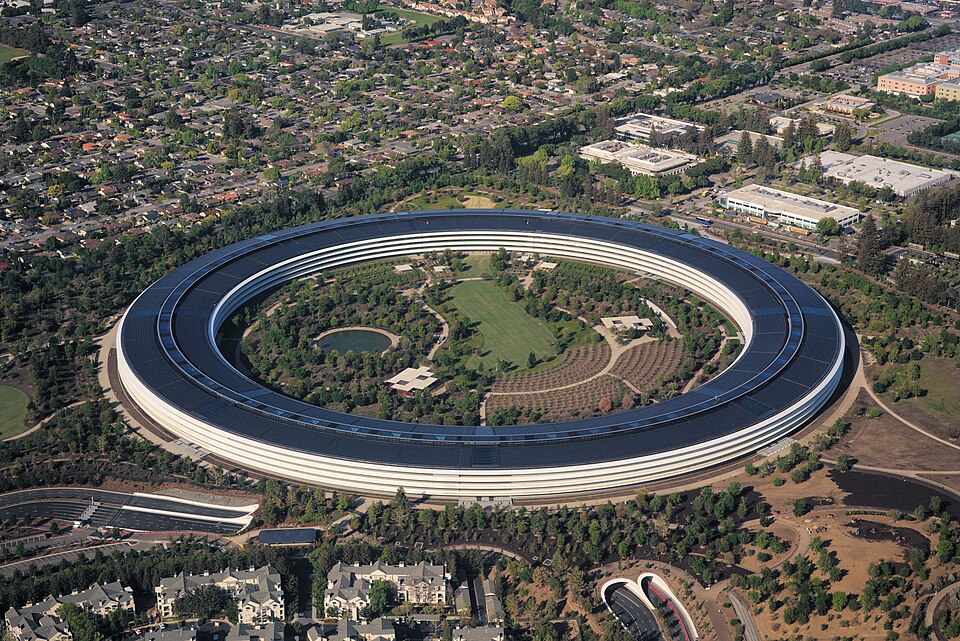
Acquire Apple at peak market cap
$3.5TWorld's largest company by market cap. He could buy it outright and have change to spare.
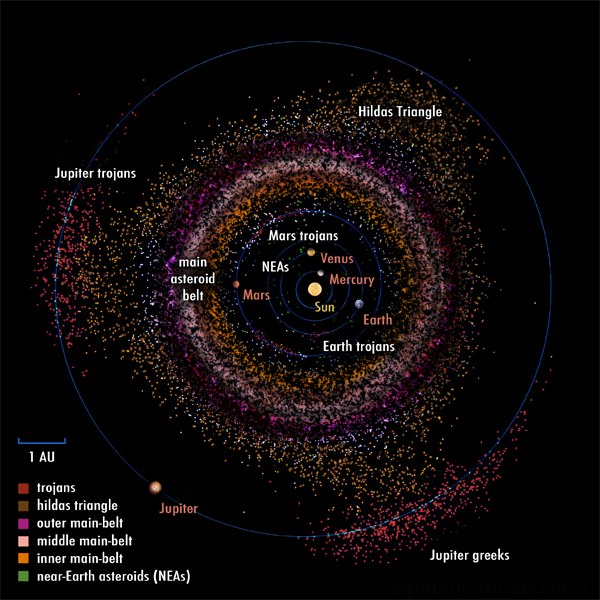
Asteroid-mining infrastructure
~$1TRough estimate for full mining + return logistics for water ice and platinum-group metals.
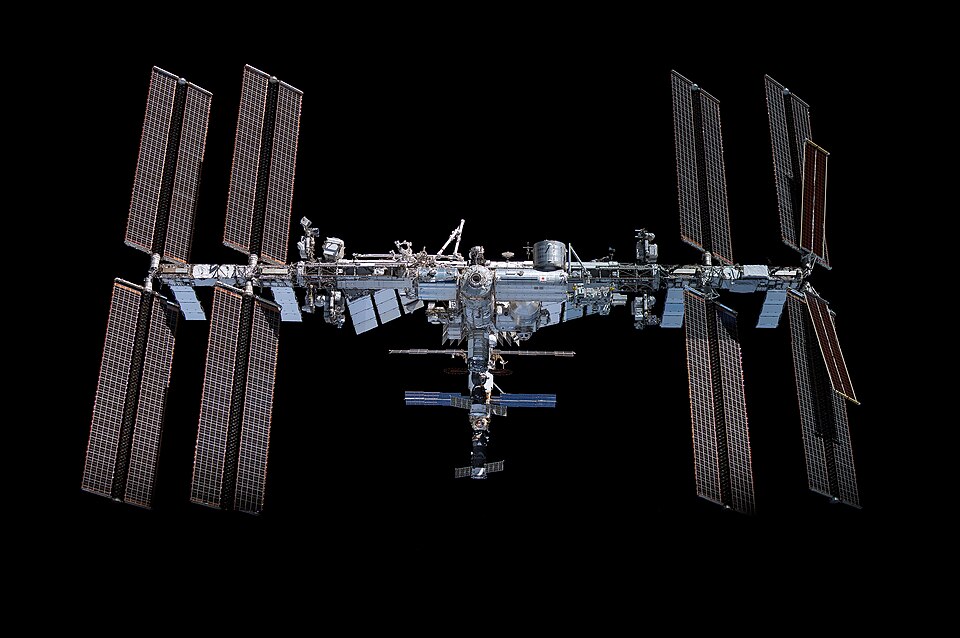
65 International Space Stations
~$10TISS cost $150B over decades. He could fund 65 more, in orbit simultaneously.
What it means for humanity
$10T concentrated in one person is unprecedented. It would represent more capital than most national governments command. The ability to unilaterally fund space colonization, AI infrastructure, energy transition, or any other civilizational project — at scale, without committee, without congressional oversight, without quarterly earnings pressure — is a governance question every bit as much as a financial one.
For context: $10T is roughly the combined market cap of the entire S&P 500 financial sector. It's 35% of US GDP. It's twice the GDP of Germany. The question is no longer "can he" but "what does the world look like if he does?"
Frequently asked questions
Will Elon Musk become a $10 trillionaire?
It is possible but unlikely on a 10-year horizon. Our base case puts a $10T net worth in the late 2030s to early 2040s. The math requires SpaceX to clear $3T+, Tesla to clear $5T+, and xAI to clear $1T+ — each of which is plausible only if their respective AI / robotics / Mars-economy roadmaps deliver.
Why does Elon Musk want $10 trillion?
Musk has publicly stated he wants enough wealth to fund a self-sustaining Mars colony, which he has estimated at roughly $10 trillion in cumulative capital expenditure over the next several decades. The figure functions more as a mission target than a personal wealth goal.
What would $10 trillion actually buy?
More than the GDP of every country except the US and China. It would fund roughly one full Apollo program every six months for 50 years, or eliminate US federal student debt 5 times over, or purchase every publicly-traded company in Germany.
Keep reading
When will Elon Musk become a trillionaire? →
Bull, base, and bear cases with monthly distributions.
Predicted trillionaire date →
Live countdown to the base-case crossing date.
Is Elon Musk a trillionaire yet? →
The live answer, the exact gap to $1T, and what closes it.
Elon Musk net worth, live →
Real-time figure with the breakdown by source — Tesla, SpaceX, xAI.